Titanium
|
||||||||||||
Titanium Overview
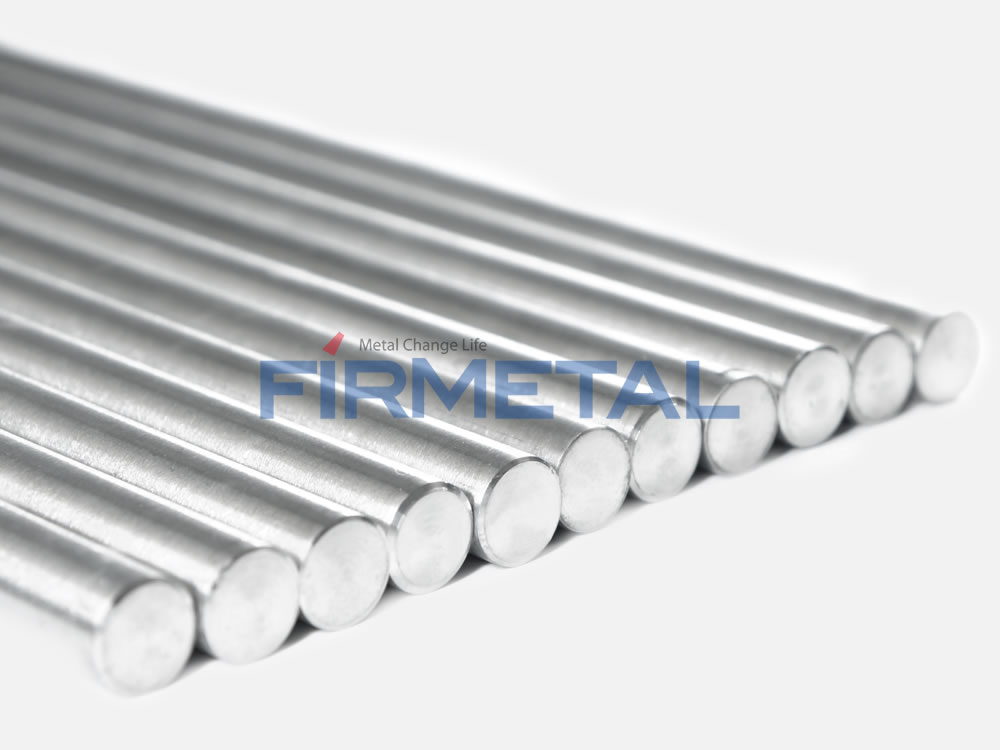
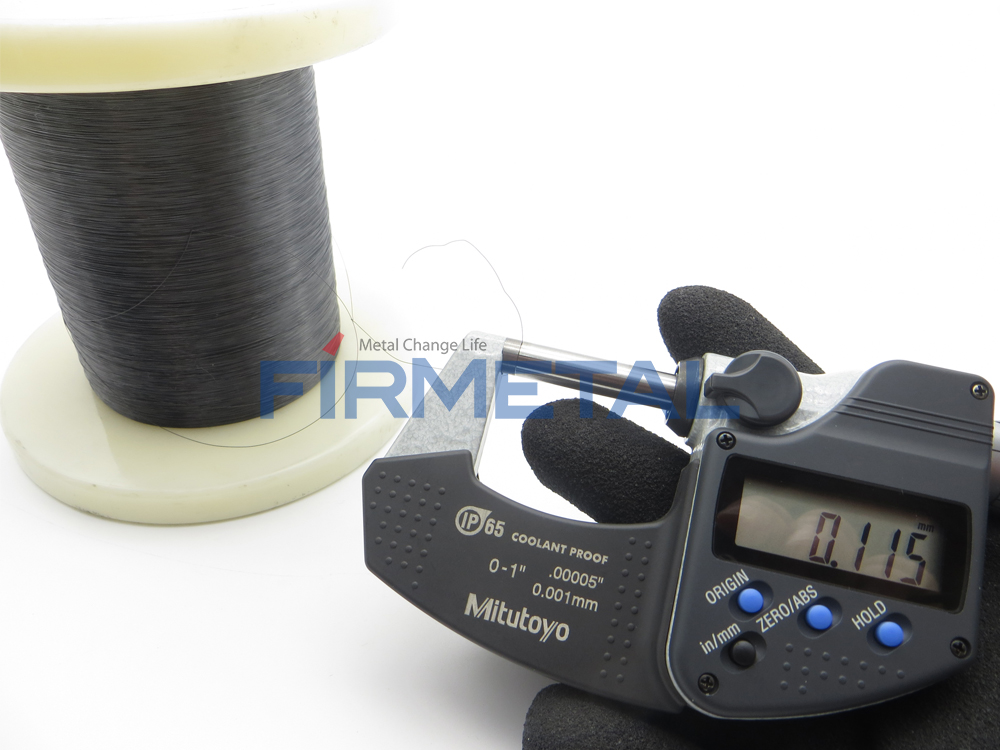
Titanium is used as an alloying component in metals to decrease grain size and used as a deoxidizer in stainless to decrease Carbon content.Titanium is normally alloyed with Al (to refine grain size), V, Cu (to harden), Fe, Mo and other metals. Titanium mill items (titanium foil, titanium tube, titanium bar rod, titanium sheet, titanium plate, titanium bar, titanium wire, titanium forgings, and titanium parts) can be applied in industrial, recreational, emerging markets and aerospace.
Comparison of Different Titanium Alloys
Different titanium alloys offer distinct combinations of mechanical properties, formability, corrosion resistance, and thermal stability, making material selection an important consideration for each application.
This guide provides a comparison of several widely used titanium alloys, including Grade 5 (Ti-6Al-4V), Grade 9 (Ti-3Al-2.5V), Grade 7 (Ti-0.15Pd), Ti-15333 (Ti-15V-3Cr-3Sn-3Al), Beta 21S, and Ti-6246 (Ti-6Al-2Sn-4Zr-6Mo).
It examines their chemical compositions, mechanical properties, temperature capabilities, corrosion resistance, processing characteristics, and typical applications. By highlighting the key differences between these titanium grades, this comparison helps engineers, manufacturers, and material buyers select the appropriate alloy for specific performance and service requirements.
Grade 5 (Ti-6Al-4V)
A widely used alpha-beta titanium alloy offering an excellent balance of strength, low density, corrosion resistance, and versatility for aerospace, medical, and industrial applications.
Grade 9 (Ti-3Al-2.5V)
A medium-strength titanium alloy with good formability, weldability, and corrosion resistance, commonly used for tubing, hydraulic systems, and aerospace structures.
Grade 7 (Ti-0.15Pd)
A commercially pure titanium grade enhanced with palladium to improve corrosion resistance, particularly in reducing environments and chemical processing applications.
Ti-15333
A metastable beta titanium alloy known for its high strength, good cold formability in the solution-treated condition, and suitability for aerospace structural components.
Beta 21S
A corrosion-resistant beta titanium alloy offering high strength, good formability, and oxidation resistance, making it suitable for advanced aerospace and high-performance applications.
Ti-6246 (Ti-6Al-2Sn-4Zr-6Mo)
A high-strength near-alpha titanium alloy designed for demanding aerospace applications that require excellent mechanical performance at elevated service temperatures.
Titanium Alloys Grade 5 vs Gr.9 vs Gr.7 vs Ti-15333 vs Beta 21S vs Ti-6246
1. Titanium Alloys Materials & Applications Overview
| Alloy | Type | Design Purpose |
|---|---|---|
| Grade 5 (Ti-6Al-4V) | α+β alloy | High-strength structural material |
| Grade 9 (Ti-3Al-2.5V) | α+β alloy | Lightweight tubing / hydraulic systems |
| Grade 7 (Ti-0.2Pd) | CP titanium + Pd | Extreme corrosion environments |
| Ti-15333 (Ti-15V-3Cr-3Al-3Sn) | β alloy | Cold-formable high-strength sheet |
| Beta 21S (Ti-15Mo-3Nb-3Al-0.2Si) | β alloy | High strength + oxidation resistance |
| Ti-6246 (Ti-6Al-2Sn-4Zr-6Mo) | α+β alloy | High-temperature creep-resistant structural parts |
2. Titanium Alloys Core Properties Comparison
| Property | Grade 5 | Grade 9 | Grade 7 | Ti-15333 | Beta 21S | Ti-6246 |
|---|---|---|---|---|---|---|
| Strength | Excellent | Good | Good | Excellent | Excellent | Excellent |
| Corrosion Resistance | Excellent | Excellent | Outstanding | Good | Excellent | Good |
| High-Temperature Performance | Good | Moderate | Good | Moderate | Good | Excellent |
| Formability | Moderate | Excellent | Good | Excellent | Good | Limited |
| Weldability | Good | Excellent | Good | Good | Good | Moderate |
| Machinability | Moderate | Good | Moderate | Moderate | Difficult | Difficult |
3. Titanium Alloys Application Comparison
| Alloy | Typical Applications |
|---|---|
| Grade 5 | Aerospace structures, medical implants, general high-strength components | Grade 7 | Chemical equipment, seawater systems, highly corrosive environments |
| Grade 9 | Aircraft tubing, hydraulic systems, lightweight structures |
| Ti-6246 | Jet engine components, compressor blades, high-temperature structural parts |
| Ti-15333 | Aerospace cold-formed sheets, springs, high-strength thin structures |
| Beta 21S | Aerospace structures, high-strength oxidation-resistant components |
4. Titanium Alloys Material Selection Guide
| Requirement | Recommended Alloy | Main Selection Reason |
|---|---|---|
| General aerospace structures | Grade 5 | A versatile combination of high strength, low density, corrosion resistance, and established processing capabilities |
| Extreme corrosion resistance | Grade 7 | Enhanced corrosion resistance, especially in reducing acids and other aggressive chemical environments |
| Lightweight tubing systems | Grade 9 | Excellent balance of strength, ductility, and formability, particularly for tubing and formed components |
| High-temperature engine components | Ti-6246 | High strength and improved creep and thermal stability for elevated-temperature aerospace applications |
| High-strength cold-formable structures | Ti-15333 | High strength, excellent cold formability, and good fatigue performance for aerospace applications |
| Advanced aerospace (strength + oxidation resistance) | Beta 21S | High strength, good oxidation resistance, and useful elevated-temperature performance for demanding aerospace applications |
5. Titanium Alloys One-Line Summary
Grade 7: Extreme corrosion-resistant titanium alloy.
Grade 9: Lightweight tubing titanium alloy.
Grade 5: Standard aerospace structural titanium alloy.
Ti-6246: High-temperature engine titanium alloy.
Ti-15333: Ultra-high-strength cold-formable beta alloy.
Beta 21S: Advanced aerospace high-strength oxidation-resistant alloy.
Titanium FAQ
Q1: What titanium alloys does Firmetal supply?
Firmetal supplies a range of titanium alloys, including Ti-6Al-4V Grade 5, Ti-0.2Pd Grade 7, Ti-3Al-2.5V Grade 9, Ti-0.3Mo-0.8Ni Grade 12, Ti-6Al-2Sn-4Zr-6Mo, Ti-15V-3Cr-3Sn-3Al, Ti-10V-2Fe-3Al and Beta 21S (Grade 21).
Q2: What is Ti-15V-3Cr-3Sn-3Al used for?
Ti-15V-3Cr-3Sn-3Al is a metastable β titanium alloy known for its excellent cold-forming and cold-rolling characteristics. It is used for sheet-metal components, fasteners and other formed aerospace and engineering components.
Q3: Which titanium alloy is suitable for aerospace applications?
The appropriate alloy depends on the application. Ti-6Al-4V Grade 5 is widely used for general aerospace structural and engine components, while Ti-6246, Ti-15V-3Cr-3Sn-3Al and Beta 21S can be considered for more specialized high-strength, high-temperature or forming requirements.
Q4: Can titanium alloys be welded?
Yes. Many titanium alloys can be welded using appropriate procedures and shielding. The welding process should be selected according to the alloy grade, product geometry, thickness and application requirements.
Q5: Can titanium alloys be machined?
Yes. Titanium alloys can be machined into rods, bars, components and other customized parts. Machining parameters, tooling and cooling methods should be selected according to the specific alloy and component geometry.
Q6: Can Firmetal manufacture titanium alloy products according to customer drawings?
Yes. Customized titanium alloy products and components can be evaluated according to customer drawings, dimensions, tolerances, material grade, surface requirements and other technical specifications.
Q7: What titanium alloys are suitable for high-temperature applications?
Several titanium alloys are suitable for elevated-temperature applications, depending on the required temperature and service conditions.
Ti-6246 (Ti-6Al-2Sn-4Zr-6Mo) is designed for higher-temperature aerospace applications and offers good strength and thermal stability.
Beta 21S provides high strength and useful elevated-temperature performance, while Grade 5 (Ti-6Al-4V) is widely used for applications requiring a balance of strength, weight, and temperature capability.
For more demanding conditions, the appropriate alloy should be selected based on operating temperature, exposure environment, mechanical requirements, and applicable specifications.
Q8: What is the difference between Grade 2 and Grade 5 titanium?
The main difference is their strength and alloy composition. Grade 2 is commercially pure titanium, offering excellent corrosion resistance, ductility, and formability, with relatively moderate strength.
Grade 5 (Ti-6Al-4V) is an alpha-beta titanium alloy containing aluminum and vanadium, providing significantly higher strength while maintaining good corrosion resistance and a favorable strength-to-weight ratio.
Grade 2 is commonly selected for chemical processing and applications where corrosion resistance and formability are priorities, while Grade 5 is widely used for aerospace, medical, and structural applications requiring higher strength.
Q9: What is the difference between titanium alloy and pure titanium?
The main difference between pure titanium and titanium alloys is their chemical composition and resulting properties.
Pure titanium contains very high levels of titanium with relatively small amounts of other elements, while titanium alloys contain controlled additions of elements such as aluminum, vanadium, molybdenum, or palladium.
These alloying elements can improve strength, hardness, heat resistance, or corrosion resistance.
Pure titanium generally offers better ductility and corrosion resistance, while titanium alloys are often selected when higher mechanical strength and specific performance are required.
Q10: Which is better, pure titanium or titanium alloy?
Neither material is universally better. Pure titanium is often selected for its corrosion resistance, ductility, and formability, while titanium alloys are commonly chosen for higher strength, hardness, and performance under demanding mechanical or temperature conditions.
The best material depends on the application's mechanical, chemical, temperature, and fabrication requirements.